Unions respond to Government consultation on mandatory rights for seafarers
Views are being sought on the new powers under the Seafarers' (Wages and Working Conditions) Act 2023 as amended by the ERA 2025
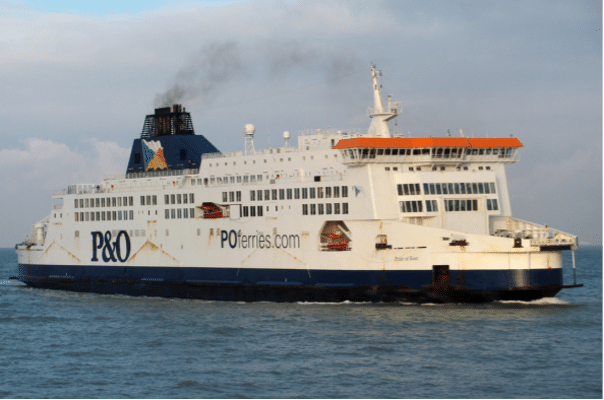
The Government has this week opened consultation on strengthening seafarer protections. They are seeking views on the new powers under the Seafarers’ (Wages and Working Conditions) Act 2023 as amended by the Employment Rights Act 2025.
In 2024, the Seafarers’ Wages Act 2023 was brought into force. It required operators of international services calling at a UK port at least 120 times a year to pay their seafarers who were not entitled to the national minimum wage an equivalent rate for work in UK waters, known as a national minimum wage equivalent.
This requirement was established as a condition of port access and requires harbour authorities to request declarations from operators confirming that they are paying the correct rate, or they must pay a surcharge and ultimately risk refusal of access to the port if they do not comply.
The amended legislation includes new powers that require payment of the equivalent of UK national minimum wage (NMWe) outside of UK waters. The act also allows us to make regulations making broader requirements on remuneration and safe working on international services calling at a UK port at least 120 times a year (or more frequently if specified in the Regulations), including:
- minimum/maximum periods of work
- fatigue management
- safety related training
Measures being consulted on include:
- Seafarers being paid the equivalent of at least the National Minimum Wage throughout journeys between the UK and France and Channel Islands
- Setting maximum periods of work at sea and minimum periods of rest
- These measures build on existing legislation covering UK waters and form part of the government’s commitment to improve the working conditions of seafarers.
The RMT has responded to the consultation on mandatory rights for seafarers, with General Secretary Eddie Dempsey saying:
The launch of this consultation is a necessary and welcome step towards ending the race to the bottom that has blighted much of the ferry sector for far too long.
More than four years after nearly 800 seafarers were unlawfully sacked by P&O Ferries, there are still thousands of workers in the ferry sector facing low pay, fatigue, and the denial of basic employment rights.
RMT has long argued that voluntary standards are not enough to tackle operators that rely on exploitative crewing models and refuse to engage constructively with trade unions. The failure of some ferry companies to meet even voluntary charter standards demonstrates exactly why enforceable protections under the law are needed.
The government’s commitment to a mandatory Seafarers’ Charter with legally enforceable standards on pay, safety and training is the right approach to protect seafarers from exploitation, preventing undercutting and creating a level playing field across the industry that will allow local seafarers to compete for jobs around the UK coast.
RMT will continue to campaign to strengthen protections for seafarers, improve collective bargaining and ensure more UK Ratings are trained and employed in secure, well-paid maritime jobs.
Nautilus International has welcomed the proposals to extend pay and working condition protections for seafarers on cross-Channel routes, calling the consultation a ‘meaningful step forward’ for maritime workers.
Nautilus said the proposal to extend national minimum wage equivalent protections beyond UK territorial waters on cross-Channel services is a development that closes a long-standing loophole that operators have been able to exploit at the expense of some of the most exposed workers in the maritime sector.
It also highlighted the importance of alignment with French legislation, particularly the proposed 14-day maximum service period, noting that some crews on the Dover-Calais route have previously been deployed for up to 17 weeks. In their view, the proposal to extend national minimum wage equivalent protections beyond UK territorial waters on cross-Channel services is a development that closes a long-standing loophole that operators have been able to exploit at the expense of some of the most exposed workers in the maritime sector.


Related news
TUC unions unanimously back the call for a Second Employment Rights Bill
RMT members at the Royal Fleet Auxiliary (RFA) strike over pay & Minimum Wage compliance