UCU condemns De Montfort University plans to re-employ staff through subsidiary company
UCU says the proposed use of a wholly-owned subsidiary company risks creating a two-tier workforce.
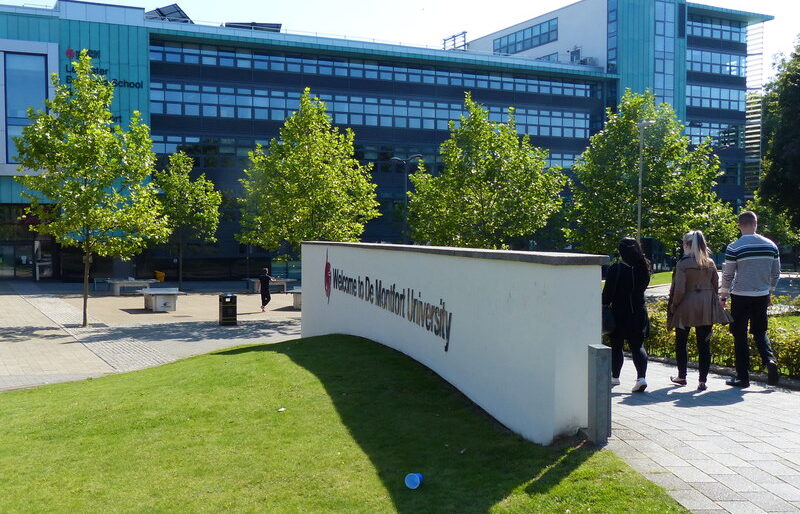
The University and College Union (UCU) has condemned plans by De Montfort University (DMU) to re-employ new professional services staff and new academic teaching fellows through a subsidiary company, DMU People, on worse terms and conditions. The company is wholly owned by the university but the decision enables De Montfort bosses to remove staff newly employed by the subsidiary company from their statutory pension entitlements.
UCU says the proposed use of a wholly-owned subsidiary company risks creating a two-tier workforce, with new employees denied the terms, conditions and pension provision available to colleagues employed directly by the university. Staff appointed through DMU People would instead be enrolled in a private pension scheme rather than the Local Government Pension Scheme or Teachers’ Pension Scheme. Similar measures have been taken at other universities, including Southampton Solent, leading to calls for the government to close the loopholes that enable employers to avoid paying staff statutory entitlements.
The UCU has also raised concerns about proposals to revise the university’s academic structure and career framework, including the potential impact on existing lecturers, career progression and consistency with established sector-wide grading and job evaluation arrangements.
The Leicester-based university previously announced plans to cut 80 jobs and has offered staff a voluntary redundancy scheme. The Times Higher Education reported earlier this year a massive workforce contraction in British academia, with over 30,000 jobs shed across the sector over a three-year period.
UCU general secretary Jo Grady said:
Universities should not be using wholly-owned subsidiaries as a way to cut costs by putting new staff on worse terms and conditions. Staff deserve fair pay, secure employment and decent pensions.
De Montfort University’s plans would create a two-tier workforce that is divided between those with access to established terms, conditions and pensions, and those who have been unfairly denied entitlements that Parliament voted for them to have. If university bosses get away with this then more academic staff will be next.
Financial pressures are real, but they must not become an excuse to erode employment protections. This is a growing concern across the sector. The Education Select Committee has already recognised the dangers and called for this practice to be banned. The government must act swiftly to stop universities using corporate structures to circumvent pension protections.
DMU must urgently engage with UCU and other recognised unions, provide transparency about the implications of these proposals and rule out any approach that leaves staff worse off.


Related news

University of Cumbria staff face ‘fire and rehire’ over pensions

Sunderland University attacks pensions with 2-tier workforce – UCU