MPs vote down Lords amendments to the Employment Rights Bill
The Employment Rights Bill one step closer to royal assent.

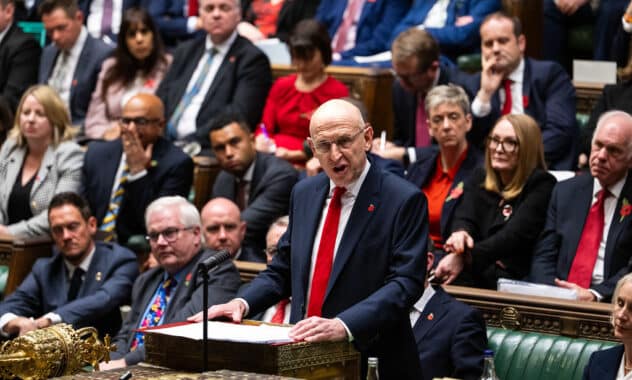
Earlier this week, the Employment Rights Bill returned to the Commons to commence a review of Lords amendments from MPs, in what is commonly referred to as ‘ping-pong’.
Those following the Bill will have been aware of the slate of non-government amendments made to the Bill during its passage in the Lords which sought to significantly alter the Bill and wipe out many of the Bill’s proposals, including the provisions on ending exploitative zero-hours contracts and the practice of fire and rehire.
The amendments included provisions to have a six-month qualifying period for unfair dismissal, replace a right to be offered guaranteed hours into a right to request, define short-notice shift cancellations as under 48 hours, and strengthen protections for whistleblowers. They also included a proposal for employees to be accompanied at hearings by a certified professional companion, as well as the retention of the 50% turnout threshold in an industrial action ballot.
You can read some of our coverage on these amendments here.
The past few weeks have seen mounting pressure from trade unions to resist any further backsliding on the Bill, which required fully reversing changes to the Bill introduced by Tory and Lib Dem peers. Though it was always expected that the Government would reject these changes, there was some concern following a recent cabinet reshuffle that saw the three Ministers attached to the Bill (Justin Madders, Angela Rayner and Jonathan Reynolds) out of their posts.
Justin Madders, who previously held a junior Ministerial position for Employment Rights, Competition and Markets, intervened in the debate on Monday saying:
Passing this Bill is not, of course, the end of the matter. There is so much more that needs to be done outside the Bill, particularly on finally ending the industrial-scale exploitation that is bogus self-employment. […]
Over the coming years, there will be a range of secondary legislation, codes of practice and guidance issued to implement the Bill’s provisions. […] given the volume and complexity of all this—the details of the consultations, the scope of the regulations, the language in the codes of practice and even the commencement dates—it goes without saying that there are plenty of opportunities for those who do not want to see workers’ rights improved in this country to chip away at the strong baseline that the Bill represents, and of course it is far easier to do that in some stuffy Committee Room away from the main Chamber.
I do not think that is the Minister’s intention, but I am not sure that everyone shares our enthusiasm for improving the rights of millions of working people, so we will all be looking at this closely and encouraging the Minister to keep to our manifesto commitments that we all believe so strongly in.
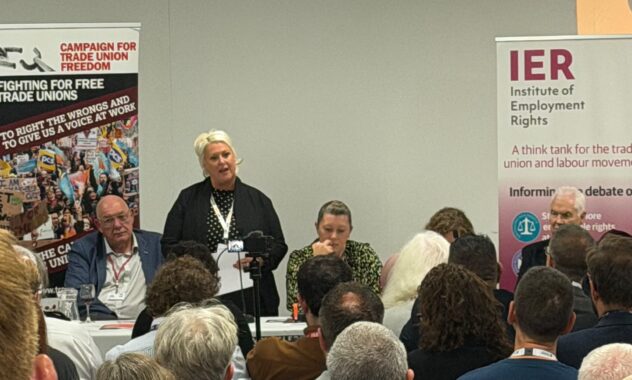
As expected, the Lords amendments were voted down and the Bill was restored to a more familiar version. However, it should be noted that a number of government-backed amendments were made during its passage in the Lords, which included welcome improvements to bereavement leave and a clamp down on inappropriate use of NDAs, but equally included changes to the provision banning fire-and rehire. As Neil Todd (Thompsons Solicitors), explained at our annual TUC fringe meeting:
The reasons for disagreement with the Lords’ amendments will now be reviewed once again in the House of Lords. The shop, distributive and allied workers union, USDAW, has already called on the Lords to end their opposition to the Bill. General Secretary Joanne Thomas said it was time for Peers to “do the right thing and stop undermining the vital changes in the Bill that will help bring fairness and security for workers, particularly for those currently on zero and short hours contracts.”
What Happens Next?
(via Thompson’s Solicitors)
The Bill now returns to the House of Lords to consider the governments reasons for their rejection. These include that:
- it is appropriate for protection from unfair dismissal to apply from day one in employment;
- it is appropriate for workers who meet the qualifying criteria to receive a guaranteed hours offer;
- defining short notice for cancelling shifts to 48 hours would pre-empt consultation and limit the governments discretion;
- permitting a “certified professional companion” to accompany employees at disciplinary and grievance hearings the right to be accompanied would increase the cost and complexity of such hearings
- it was appropriate to remove the 50% turnout threshold
At the time of publishing no date was set for consideration of the House of Commons reasons.


Related news

Free to strike: how one UNISON member helped to change the law
Usdaw welcomes a requirement on employers to prevent harassment & grant trade union access to workplaces