Ministers rule out further concessions as Employment Rights Bill faces third Lords defeat
Despite government’s retreat on day-one unfair-dismissal rights, peers push the Bill back again in the latest round of parliamentary ping-pong.
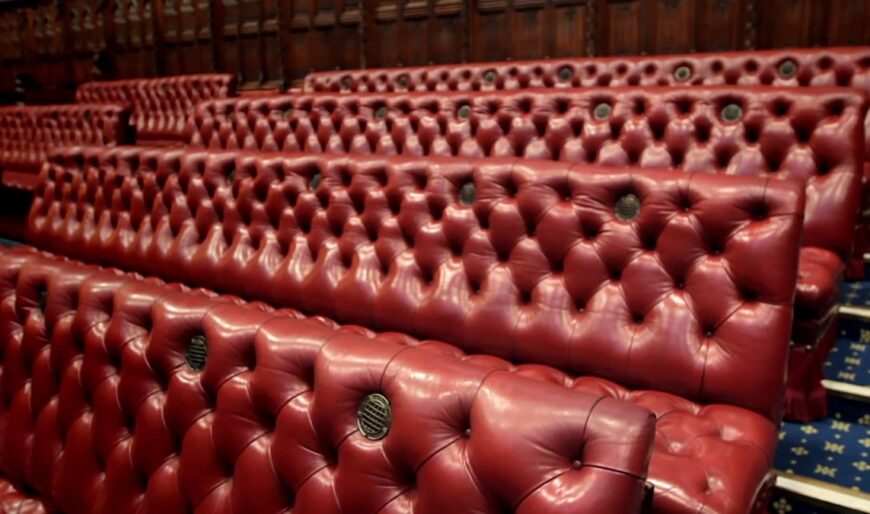
This week the Employment Rights Bill endured its third round of Parliamentary ‘ping-pong’ where new legislation goes through an amendment and consideration procedure between the two houses. Normally, the Lords try to avoid frustrating the will of the elected House. Consequently, it is rare for the Lords to engage in multiple rounds of ping pong.
Predominantly Tory and Lib Dem peers have taken issue with a number of provisions in the Bill, most notably in relation to the right to guaranteed hours and the initial plan to introduce unfair dismissal protections as a day-one right.
The Government recently conceded on its manifesto pledge to extend unfair dismissal protections to cover all workers from the first day of employment, citing the need to get the Bill through Parliament as soon as possible.
Despite this concession, however, the Government has failed in its latest attempt to get the Employment Rights Bill over the line.
The House of Lords voted 244 to 220 to reject the removal of the cap on compensatory awards for unfair dismissal in favour of a requirement for the Government to conduct a review of the issue.
Baroness Lloyd of Effra (Department of Business and Trade) said:
The Government’s amendments in lieu will reduce the qualifying period for unfair dismissal protections from 24 months to six months, all while maintaining existing day-one protections against discrimination and automatically unfair grounds for dismissal. To further strengthen these protections, the Government have also tabled amendments which will ensure that the qualifying period for unfair dismissal protections can be varied only by primary legislation and that the compensation cap for claims will be removed. That will remove both the 52 weeks’ pay and the £118,223 cap. […]
The Government believe that the current compensatory award caps incentivise claimants to construct complex cases which allege discrimination to access uncapped compensation. These types of claims are more complex and take longer for the tribunal to handle. Therefore, by our removing the compensation cap for ordinary unfair dismissal claims, this incentive will be lessened, making it easier for tribunals to reach a judgment more quickly and decreasing burdens on the system.
IER Chairperson, Lord John Hendy, contributed to the debate on compensation caps with the following:
My noble friend the Minister mentioned the tribunal statistics for 2023-24, published by the Government, and the fact that the median award for unfair dismissal was £6,746. That is the median award, not, as the noble Lord, Lord Fox, mentioned, the average award. It means that 50% of all awards for unfair dismissal are less than £6,746.
But those statistics reveal something that I found even more startling: in that year, 2023-24, the tribunals disposed of 31,000 single-claim cases and 2,000 multiple-claim cases; of those, only 646 awards were made in respect of compensation for unfair dismissal. Of course, one accepts that many cases were settled through ACAS or between the parties and then approved by the tribunal, and that would count as a disposal. But 646 cases out of 33,000 means that this jurisdiction of unfair dismissal is little used.
Of those awarded compensation, the latest government survey, which dates from 2013 and has never been updated, found that only 49% of claimants had been paid in full, a further 16% had been paid in part and 35% of successful claimants receiving a tribunal award had never received a penny of their awards. In 2016, the then Government sought to address this lamentable state of affairs by establishing the employment tribunal penalty enforcement and naming scheme to penalise companies that do not pay within 28 days of the tribunal order and, since 2018, by publicly naming them.
However, the BBC and the Bureau of Investigative Journalism published research two months ago showing that of the 7,000 unpaid claimants using the scheme, no less than 5,000 had failed to obtain any recovery. Some 4,800 penalty notices had been issued, with a combined value of £9 million of unpaid awards, but government records show that only 109 of those notices were actually paid, and none of the employers in question was named, despite nearly 4,000 requests for naming as well as compensation. These are the issues that the Government need to confront, not whether highly paid executives and others who are found to have been unfairly dismissed are entitled to the full measure of compensation for their losses.
The Lords did accept the Government amendments on the issue of guaranteed hours, dropping their insistence on this becoming a ‘right to request’ an offer rather than an obligation on the employer to provide one. They also accepted the Government amendments on the reform of trade union political funds. The final issue was the requirement of a 50% turnout in industrial action ballots. The Lords voted 223 to 219 to agree to the removal of that threshold in line with the Government’s position.
This means that the only remaining issue for the Bill is that of the compensation limit for unfair dismissal. Today, however, the government has vowed that there will be no more concessions on the employment rights bill and that it will force the Lords to vote on it again next week. The bill will return to the Commons on Monday and will be back in the Lords by Tuesday, a government source told the Guardian, suggesting that it would then consider further sittings to pass the bill by Christmas.


Related news

UVW launches campaign spotlighting exploitation of London’s essential workers
Finishing the Job: Union leaders and experts say Burnham Government must go further to improve working lives