Employment Rights Bill enters ‘ping pong’ stage as government is defeated in the Lords
The flagship Employment Rights Bill now goes back to the Commons yet again
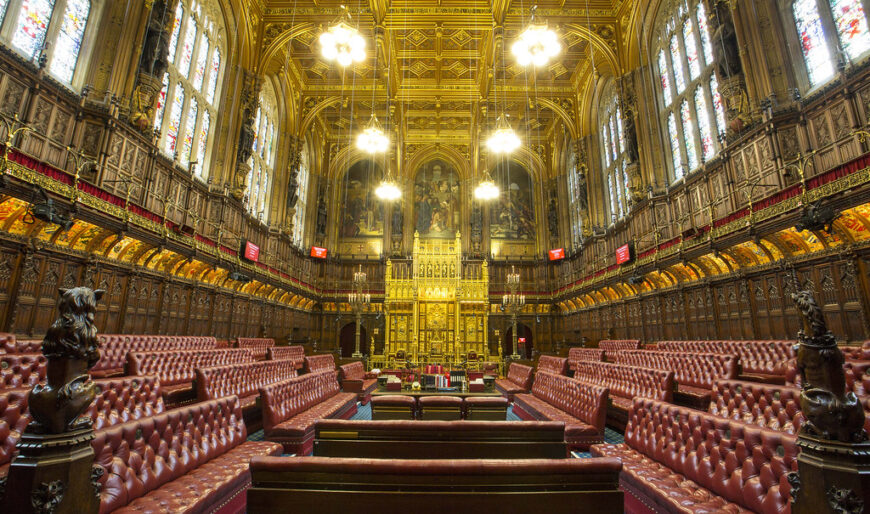
Labour’s employment rights legislation has suffered a series of defeats in the House of Lords, meaning that it will now go back to the House of Commons in a process known as ‘ping pong’.
The Bill had reached one of the final stages in its path to reaching Royal Assent – the consideration of amendments – but will now return to the House of Commons until agreements on these measures can be reached.
Peers inflicted defeats on zero-hours contracts, ‘day one’ unfair dismissal claims, industrial action ballot thresholds and union members paying a political levy. The legislation will now go back to the Commons in a process often called Parliamentary ‘ping pong’.
Yesterday:
- Peers voted by 302 votes to 159 (a majority of 143), in favour of an amendment on zero-hours contracts, opposing Labour’s move to force employers to offer guaranteed hours to employees from day one.
- The opposition defeated by 301 votes to 153 (majority 148), the government’s plans to allow workers to take employers to a tribunal for unfair dismissal from day one in a new job.
- Labour suffered a further defeat by 267 votes to 153 (majority 114), as peers voted to keep the 50% turnout threshold for an industrial action ballot of trade union members to be valid.
- And a proposal to sign up new trade union members automatically to pay a political levy was rejected by 249 votes to 142 (majority 107).
Moving the zero hours amendment, Liberal Democrat Lord Fox said:
We share ministers’ aims on making sure that every employee has the right to guaranteed hours moving from zero-hours, guaranteed hours … [but] … For the smaller and medium-sized employer it is an added burden that doesn’t need to be there if the employee does not wish to leave zero hours.
Former TUC General Secretary Baroness Frances O’Grady, responded to the attempts to water down the legislation by saying:
Under the Employment Rights Bill, employers can still dismiss workers fairly – for example, as they can now if they are incompetent or there is misconduct or a redundancy situation.
But without the day one protection proposed by the government, when workers move to a new job, they would continue to bear the risk that they can be sacked at whim.
When I look back on employers’ opposition to the national minimum wage, to equal pay for women and to stronger health and safety rights, it is clear that business lobbies do not always know what is best for Britain.
The Commons and Lords now enter a back and forth (“ping pong”) process with the Bill being exchanged between them until they both agree on the final version. There is no official time limit for this process, but a Bill could fail to become law if it runs out of time within a parliamentary session. Only once agreement is reached between the two Houses can the Bill receive Royal Assent and become an Act of Parliament.
The debate in the House of Lords can be read here, via Hansard.
Earlier in the year, the IER produced a six page guide to the Employment Rights Bill, looking at the gaps in the legislation and the need for a second Bill to address them. You can read it here.


Related news

UVW launches campaign spotlighting exploitation of London’s essential workers
Finishing the Job: Union leaders and experts say Burnham Government must go further to improve working lives