Government launches ERA consultations on fire and rehire, tipping, union recognition and electronic balloting
The government are seeking views on a number of areas related to the Employment Rights Act 2025
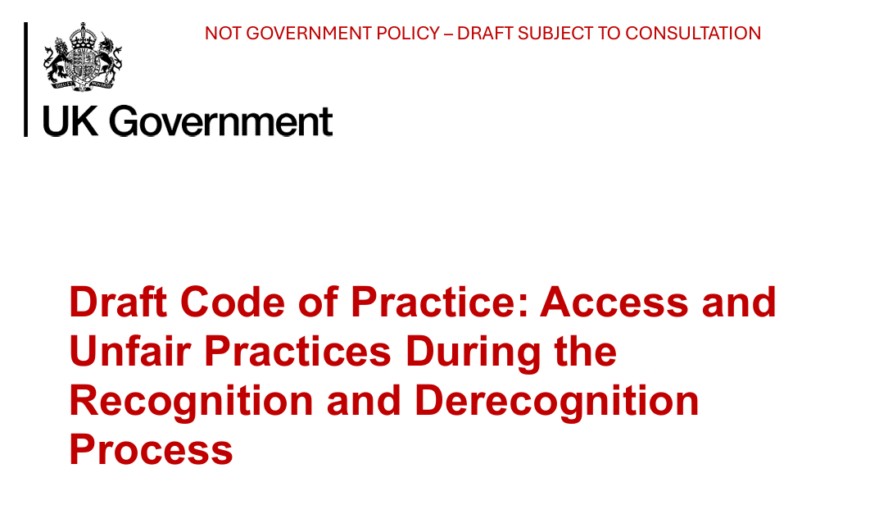
The Government have launched three further consulations related to the Employment Rights Act 2025. They are seeking views on the following areas:
1. Fire and rehire – changes to expenses, benefits, and shift patterns
Consultation description
Fire and rehire refers to the process of an employer dismissing an employee and then re-employing them (or someone else) under a new contract, usually with less favourable terms and conditions.
The Employment Rights Act 2025 will introduce new protections to prevent unscrupulous fire and rehire practices. The government wants to ensure the rules are fair for both employees and employers. The act will, once commenced, make it an automatic unfair dismissal where an employee is dismissed or replaced in order to make changes to core terms in their employment contract (protected as ‘restricted variations’).
The government is consulting on 2 types of restricted variations in relation to fire and rehire:
- employment expenses and benefits
- shift patterns
The government is asking for feedback on which expenses, benefits, and shift changes should be covered by these protections. The aim is to protect employees from negative changes to their employment contracts, while still letting businesses adapt when needed.
These proposals will need approval from Parliament before taking effect.
The government is seeking responses from all interested parties.
The consultation closes on 1st April 2026. More details and response instructions here.
2. Strengthening the law on tipping
Consultation description
The government is strengthening the law on tipping by introducing new requirements for employers to consult with workers at their place of business when developing or reviewing their tipping policies.
The government is consulting to gather views on the new requirements.
The government is also consulting to gather views on the existing law on tipping and the:
- statutory code of practice on fair and transparent distribution of tips
- non-statutory guidance for distributing tips fairly
This consultation provides an opportunity for all interested parties and groups to:
- review how the existing legislation operates in practice
- identify where improvements could be made
- consider how we can most effectively implement the new requirements
The consultation closes on 1st April 2026. More details and response instructions here.
3. Recognition code of practice and e-balloting unfair practices
Consultation description
Code of practice on access and unfair practices
The Employment Rights Act (ERA) makes several changes to the statutory trade union recognition process to ensure that workers have a meaningful right to organise through trade unions.
Before the changes can come into effect, the code of practice on access and unfair practices during recognition and derecognition process (‘the code’) must also be updated to reflect the legislative changes.
The government has redrafted the existing version of the code and is now seeking views on these changes before the code is finalised and brought into effect.
Unfair practices in electronic balloting
In the plan to Make Work Pay, the government committed to allow unions to use modern and secure electronic and workplace balloting for statutory ballots, bringing union participation in line with modern voting practices that policies parties and listed companies already use. Those statutory ballots include recognition and derecognition ballots.
Before electronic balloting is allowed for recognition and derecognition ballots, the government wants to ensure that the necessary safeguards are in place to stop interference in these ballots.
The second part of this consultation seeks views on government proposals to legislate for new unfair practices to prevent interference in electronic recognition and derecognition ballots.
The consultation closes on 1st April 2026. More details and response instructions here.
Additional government consultations and documentation on employment rights can be found here.


Related news
Bakers union vows to fight for Greggs jobs
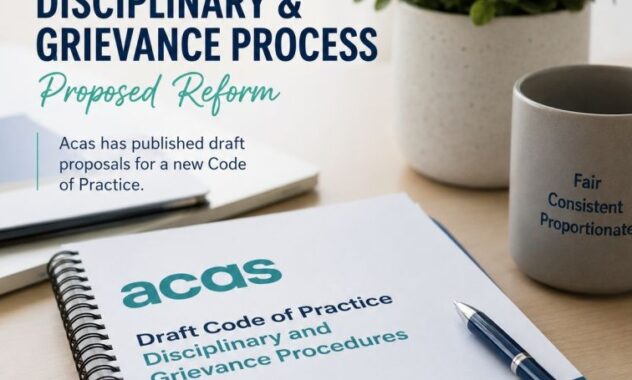
Acas Code of Practice on Disciplinary and Grievance Procedures