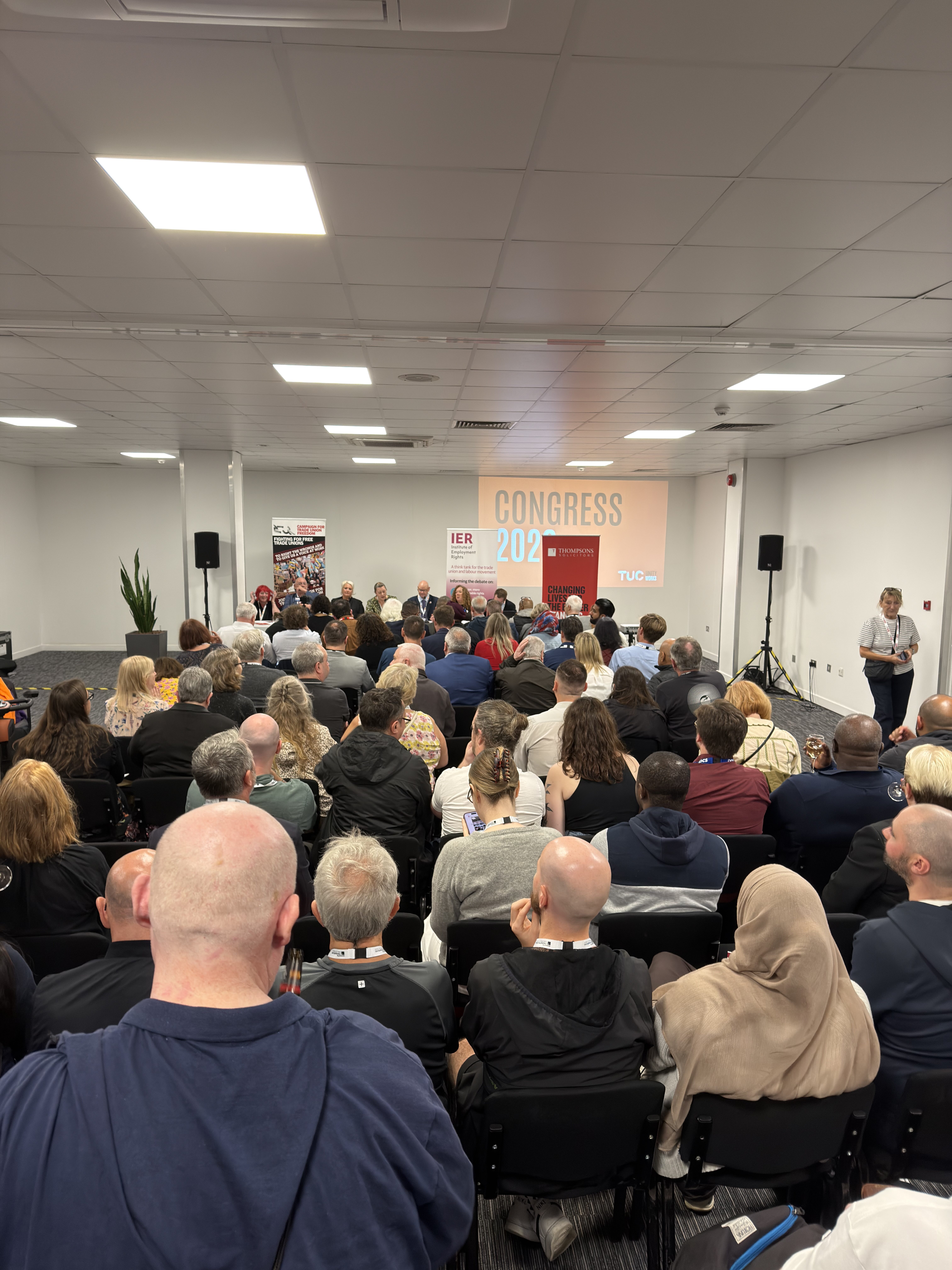
Unison NEC raises alarm over the Employment Rights Bill & migrant worker crisis
General secretary Christina McAnea tells meeting that government policy shifts are putting workers and public services at risk

At this week’s meeting of UNISON’s national executive council (NEC), general secretary Christina McAnea warned that sudden government changes to UK settlement rules for migrant workers are “shocking, deeply worrying and already causing distress” across public services.
She told council members:
I’ve spoken to people who’ve been here for four years on skilled worker visas, expecting to apply for indefinite leave to remain next year – and now being told they cannot. The government has moved the goalposts midway, and the consequences for individuals and for the services we all rely on are huge.
Branches, particularly in health, have already reported cases where over 100 staff could be told they must leave the country, she said. “This isn’t just morally indefensible, it risks a staffing crisis in key public services.”
The fair visa campaign lobby of Parliament next week will focus heavily on the union’s central ask: that the government reverse its new policy, and at the very least stop applying it to workers already in the UK.
Employment Rights Bill: eight million workers will be affected if Lords derail progress
Turning to Westminster, the general secretary outlined the increasingly fraught passage of the Employment Rights Bill (ERB) through the House of Lords, where “employers have been working closely with Tory and Lib Dem peers” to block key elements of the draft legislation.
She explained that if the bill fails to clear the Lords in the coming days, the entire package of improvements will fall – delaying progress for another year and postponing sick pay from day one for an estimated eight million workers, including around 200,000 UNISON members.
A major sticking point has been the government’s recent proposal to replace the current unfair dismissal right (at two years of employment) with a six-month qualifying period, instead of the day-one right that had been in the original bill.
“If the amendments fall,” she said, “everything resets – meaning day-one rights are restored as originally proposed, but the price would be a year’s delay to every element of the bill, including the fair pay agreement and the school support staff negotiating body.”


Related news
The Employment Rights Act 2025: consultations update

UVW launches campaign spotlighting exploitation of London’s essential workers