Tube drivers to take eight days of strike action over attacks on working conditions
Dispute is over plans to impose new working arrangements that would undermine existing agreements.
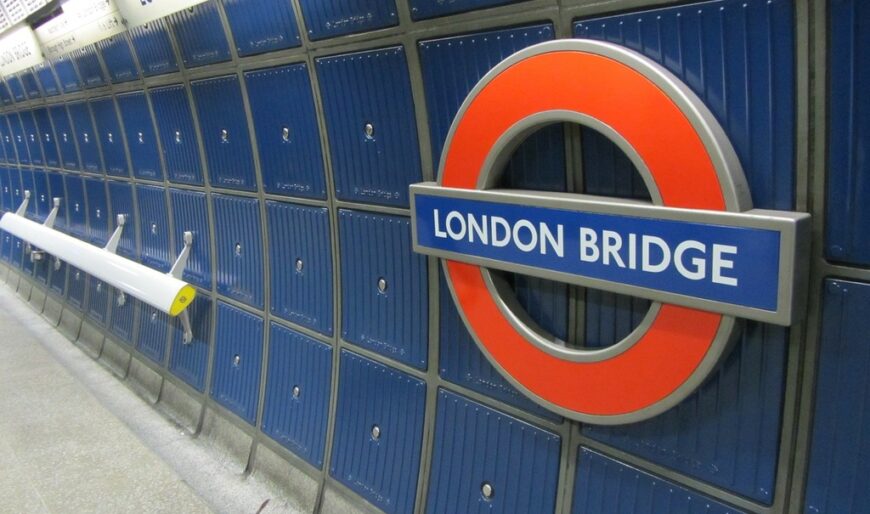
Tube union RMT has announced eight days of strike action by London Underground train drivers in a dispute over plans to impose new working arrangements that would undermine existing agreements and worsen working conditions.
The union will launch a series of rolling 24-hour strikes beginning on November 26, in opposition to management’s plans to introduce a so-called voluntary four-day working week alongside a new Trains Modernisation Framework.
RMT has warned that the proposals would force drivers to surrender hard-won protections regardless of whether they choose to work four or five days a week.
Under the plans, drivers face increased time spent driving trains, longer duties, earlier starts and later finishes, short-notice changes to shifts and attacks on existing transfer rights and annual leave arrangements.
Those who refuse to accept the new framework could also face displacement from their current depots and be placed into a flexible pool of staff deployed according to management’s requirements.
The union has also raised serious concerns that the proposals would pave the way for hundreds of job cuts, with initial rosters published for the Bakerloo line indicating significant reductions in staffing.
RMT has consistently demanded guarantees that no driver choosing to remain on existing agreements would suffer any detriment, but London Underground management has failed to provide those assurances.
The 24-hour strikes will begin at noon on the following dates:
- Thursday 26 November 2026
- Thursday 17 December 2026
- Saturday 19 December 2026
- Monday 4 January 2027
- Wednesday 6 January 2027
- Wednesday 17 February 2027
- Tuesday 23 February 2027
- Thursday 25 February 2027
RMT general secretary Eddie Dempsey said:
London Underground is attempting to dress up a wholesale attack on drivers’ working conditions as a voluntary four-day week.
But there is nothing voluntary about a scheme that forces drivers to give up existing protections whether they work four days or five, and threatens those who refuse with displacement from their depots.
Our members are being asked to spend more time driving trains, accept longer and more unpredictable shifts and surrender agreements that have been negotiated and defended over many years.
This is not about improving work-life balance. It is about squeezing more work out of fewer drivers while giving management greater flexibility at the expense of our members.
RMT is not opposed to a genuine four-day working week that benefits our members, but we will not accept it being used as a vehicle for job cuts, intensified working and the erosion of terms and conditions.
London Underground must withdraw these damaging proposals and engage seriously with the union to reach a negotiated settlement.
Our members are determined to defend their jobs, working conditions and the safety of the Underground, and they have our union’s full support in taking strike action.


Related news

Lord John Hendy KC on why workers need a right to strike
A ‘clear breach’ in the rule of law: Lord John Hendy on the Fire and Rescue MSL regulations [video]