The scandal of Britain’s courtroom gagging orders
Prof David Whyte of the Centre for Climate Crime and Climate Justice writes about the retrial of the Filton 6
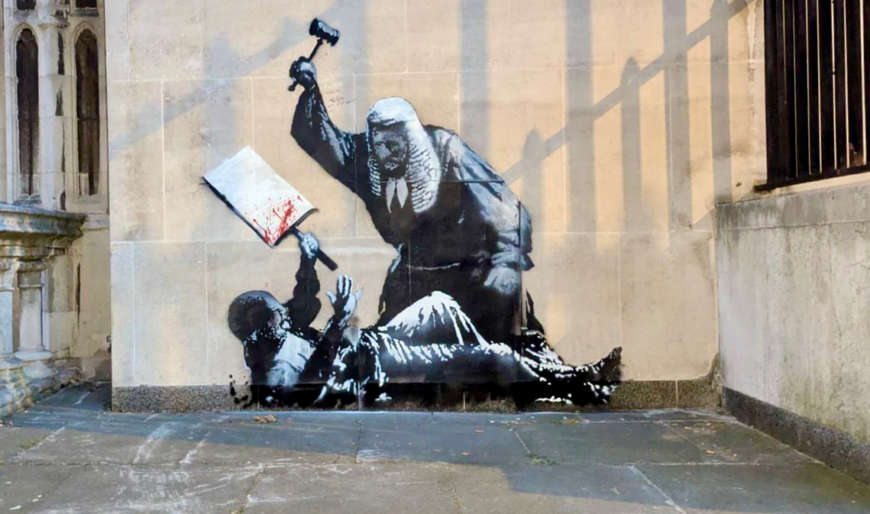
Professor David Whyte has this week written a piece discussing the retrial of the Filton 6 which convicted three Palestine solidarity protestors for criminal damage and 1 for GBH without intent and the accompanying ‘gagging orders’ that have caused some controversy in legal circles.
David Whyte is Co-Director of the Centre for Climate Crime and Justice. He is also co-author of Britain’s Political Prisoners, a new CCCJ report published on the 26th May. Writing on the Centre’s blog, Prof Whyte says:
“This week, the jury in the retrial of the Filton 6 convicted three Palestine solidarity protestors for criminal damage and 1 for GBH without intent. Two were found not guilty.
There are some very serious concerns about the way that the trial was conducted. There can be little doubt that the restrictions on what the jury were allowed to hear in the case were crucial to the outcome.
Mr Justice Jeremy Johnson ordered that a very very long list of things could not even be mentioned to the jury or in closing speeches by defence lawyers. Since they are also governed by reporting restrictions, I am not even allowed to mention them! Some very basic factual details of the case and the circumstances of the case were barred from being heard, along with virtually all of the defence’s explanations for why they did what they did, and how they did what they did.
The gagging of defences – where defendents are barred from telling juries about the motivations – has become common place in climate and anti-genocide protest cases . This is an explicitly political exercise: using judicial power to cover up the reasons that people are protesting against climate change and genocide. Yet the judge in this case went much much further.”
Read the full blog piece here:


Related news

Unions respond as Ofsted survey shows new inspections harmed wellbeing
NUJ welcomes Met Police confirmation that journalists’ data is no longer retained