Teaching unions criticise the limited scope of the new SRTB remit.
Unions criticise Education Secretary for ‘unambitious’ remit
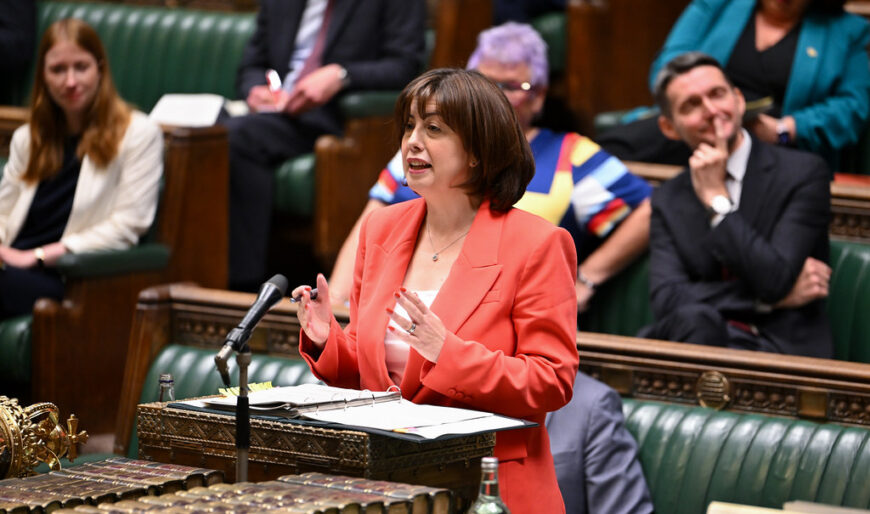
Teaching unions have responded to the Secretary of State’s letter to the School Teachers’ Review Body asking for recommendations on teachers’ working conditions for 2027 to 2028, criticising it’s limited scope.
Each year, the Education Secretary writes to the School Teachers’ Review Body (STRB) setting out what they should consider and deliver recommendations on their annual report.
Lucy Powell has asked the STRB advice on how the DfE should implement changes to teacher and leader pay that laid out during the Schools Bill process – including removing leader pay ceilings and introducing new minimum teacher pay for academies.
Commenting on the Secretary of State’s remit letter, Daniel Kebede, general secretary of the National Education Union, said:
At a time when we desperately need the Government to step up and deliver the properly funded education system our children and young people deserve, the narrowness of the new STRB remit is shocking. Teachers have lost around a fifth of the value of their pay in real terms against RPI inflation since 2010 and inflation is on an upward trajectory – but the STRB remit does not include a review mechanism on the proposed 3 per cent pay increase for September 2027.
Unfair blocks to pay progression, often due to school funding issues, remain in place and drive experienced teachers out of the profession. Yet there is nothing in the remit about the fair, mandatory and transparent national teacher pay structure needed to support recruitment and retention.
Teachers in the UK continue to work more intensively and for longer hours than any other profession – but there is nothing in the remit to tackle workload.
Attacks on teacher pay and sky-high workload have contributed to teacher shortages which cause huge damage to our education service. Our schools have been starved of funding for a sustained period. The new STRB remit completely ignores these key issues. Teachers need to be properly valued, and schools properly funded, to save education.
Paul Whiteman, general secretary of school leaders’ union NAHT, said:
At a time when schools and colleges are struggling to recruit and retain teachers and leaders, this is a disappointingly unambitious remit.
The profession needs a pay and conditions framework fit for the future. Instead, the focus appears to be on a handful of marginal changes which do little to address the fundamental challenges facing education employers.
School leaders are looking for reforms that will help make teaching and school leadership more attractive careers, support progression, improve retention and tackle longstanding workforce pressures. It is difficult to see how these proposals will achieve that.
There are also real questions about whether some of the suggested changes could create fresh challenges for schools without providing the resources or tools needed to make them work in practice.
This feels like a missed opportunity to deal with the bigger issues the profession has been raising for many years. We will consider the detail of the remit carefully, but on the face of it there is very little here that is likely to make a meaningful difference to recruitment, retention or workload.


Related news

UCU condemns De Montfort University plans to re-employ staff through subsidiary company

NEU calls for new Ofsted leadership following member survey