

New UK poverty figures reveal 7.5 million people in working households are in relative poverty
The TUC responds to latest UK poverty figures
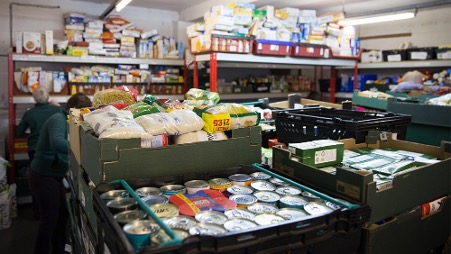
The DWP’s official statistics on the number and percentage of people living in low income households between 1995 and 2025 were released this week.
The report found that despite the media household income increasing in real terms between 2024 and 2025 both before and after housing costs (to £719 and £623 per week respectively), relative low-income rates increased, and 1.9million children were found to be in deep material poverty, which equates to 13% of children in the UK. Children were found to be more likely than any other group to be living in food insecure households. In total, the report finds that 13.4 million people across the UK are in absolute poverty.
The latest data is for the 12 months up to March 2025. It therefore covers just the first eight months of the Labour administration.
That means it does not yet include the impacts of policies such as the minimum wage increase to £12.71 from April 2026, the removal of the two-child limit from April 2026, and the Make Work Pay measures that are part of the Employment Rights Act and will be implemented over the next two years.
The TUC says that this means the latest data stands as a record of the failures of Conservative government in the years from 2010 to 2024, during which child poverty in working households increased substantially.
TUC General Secretary Paul Nowak said:
Everyone who works for a living should earn a decent living. But during the years of Tory government, poverty rates for working households soared.
The Labour government has already taken important actions to reduce poverty, but it will take some time yet for the impacts to be seen in the data.
This includes a higher minimum wage, new rights for workers to make work pay, and an end to the two-child limit that pushed so many families into poverty.
With Trump’s illegal war on Iran threatening a surge in energy costs, it’s right that ministers are planning now for how to help households. Low-income families will need the greatest protection.
The longer the war goes on, the more likely it is that Trumpflation will push up prices across the economy, and that more support will be needed.






