Author: IER

Government outsourcing rockets 53% despite Carillion disaster
GMB and Unite unions have spoken out against the government’s “disastrous” privatisation project after outsourcing surged by 53% in the past year, despite the collapse of Carillion and signs of other contractors being in trouble.

Employment Law news roundup – December/January
Happy New Year! The Institute of Employment Rights' weekly news brief took a break over the festive period, but now we're back with a roundup of all the news you may have missed while we were away.
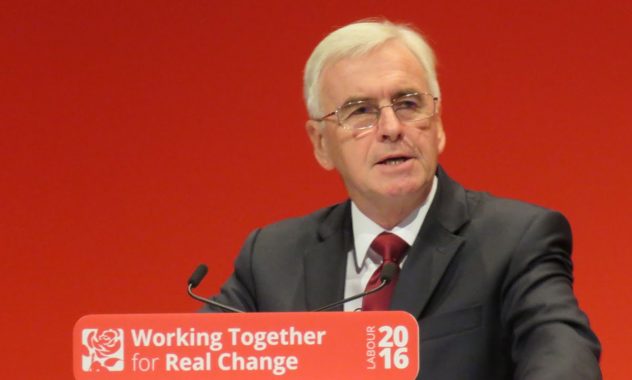
McDonnell vows to re-legalise sympathy action
Labour would reinstate the right to take sympathy action to support workers abroad, Shadow Chancellor John McDonnell has said.
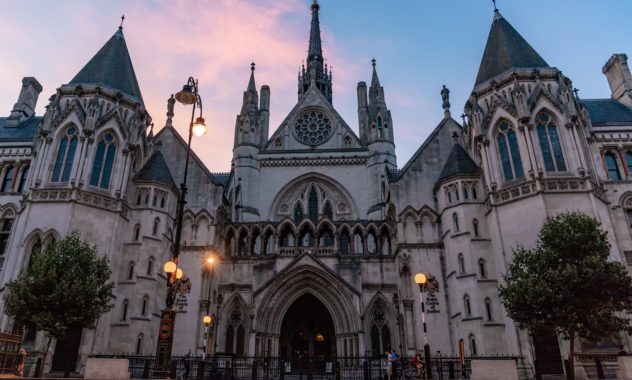
High Court rejects claim that collective bargaining is a human right
The High Court has rejected the claim that Deliveroo couriers have a human right to collective bargaining in accordance to Article 11 of the European Convention on Human Rights (ECHR).

In-work poverty rising faster than employment, research finds
In-work poverty has been rising at a faster rate than employment, with four million workers now living beneath the breadline, new research from the Joseph Rowntree Foundation has revealed.

UK “lagging behind” in fight against modern slavery, report reveals
New research reported in the Independent has revealed that Britain is "lagging behind" the other countries when it comes to its approach to tackling modern slavery.

Unpaid carers “urgently” need better employment rights, researchers say
Researchers at the University of Lancaster have called on the government to improve employment rights for workers with care responsibilities.

Art educators take bogus self-employment case to tribunal
A group of 27 art educators has taken the National Gallery to tribunal to challenge their employment status.

IPPR joins IER in support of sectoral collective bargaining in social care
The Institute for Public Policy Research (IPPR) has joined the Institute of Employment Rights (IER) in recommending the reinstatement of sectoral collective bargaining in the social care sector.

Study: Pay rises hit profit at the top, not employment at the bottom
Whenever there are proposals to increase pay, business lobbyists argue the move will lead employers to cut their staff, but the latest report from the Low Pay Commission (LPC) has busted this myth.
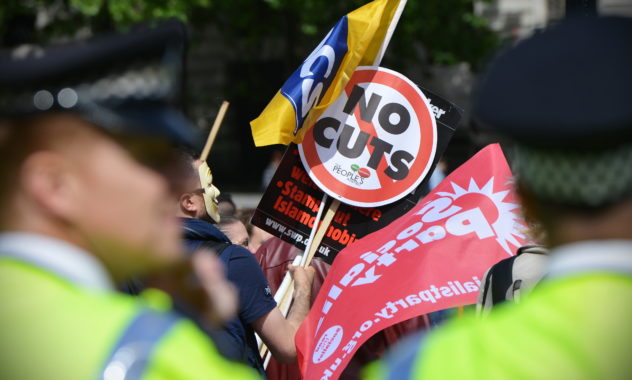
Austerity-driven inequality not “inevitable”, it was a choice, says EHRC
The Equality and Human Rights Commission (EHRC) has said widening inequality seen in the UK as a result of austerity policies was a political choice, not an inevitability.

More than a quarter of graduates forced into unpaid work, study finds
Over one in four university graduates have taken unpaid internships, new research from social mobility charity the Sutton Trust has found.