More high-street retailers found to be using ‘gig economy app’ Temper
The TUC has called on Ministers to protect workers amid concerns over 'gig economy apps'
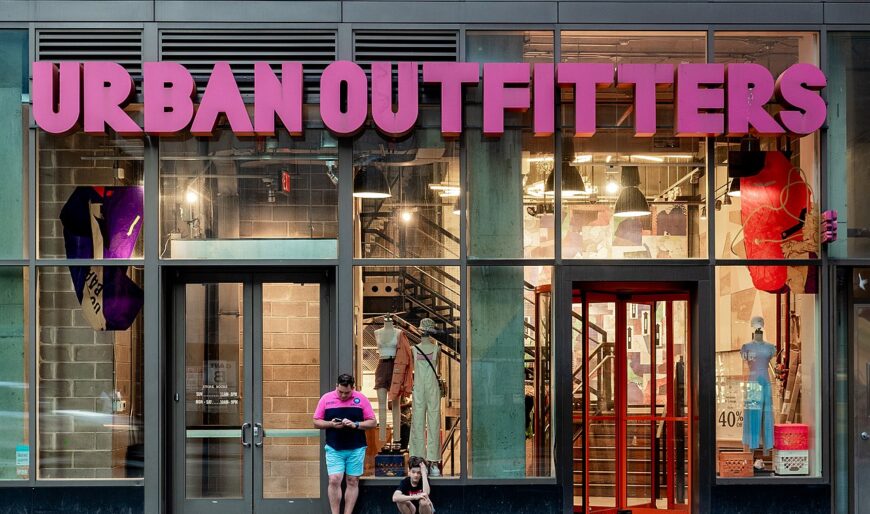
The Guardian has reported that the fashion retailer Urban Outfitters, the bed specialist Dreams and the operator of several Royal Parks cafes have been criticised for the use of the gig economy app Temper to take on staff – some of whom can end up earning below minimum wage.
The TUC has this week said the Government has failed to bring about the necessary reforms to protect gig economy workers hired by apps such as Temper, and are systemically precluded from enjoying key employment rights such as holiday pay and a minimum hourly rate.
The two Dutch-owned companies, Temper and YoungOnes operate by providing businesses with a bank of ‘self-employed’ temporary staff via an app that assigns workers to specific street retailers. Temper has over 487,000 workers across the UK and the Netherlands, and claims to be gaining 1,000 new sign-ups a week through ‘word of mouth’.
Over a year ago, then employment rights Minister Justin Madders wrote a letter to both companies telling them their operations could be in breach of employment law and staffing agency regulations. A Guardian investigation into the practises of these two companies also found that gig workers who had refused to pay a charge to YoungOnes to receive their wages within three days were left waiting up to 30 days for payment. Those that did not want to wait were obligated to pay a 2.9% fee, which was likely to bring their wages below the national minimum wage threshold.
The Guardian reported that while Temper has a “Free Security” insurance scheme that covers sick pay, this in an inferior protection to that which the workers would have been entitled to if they were employed.
One of the companies, YoungOnes, responded to the allegation they were in reality acting as an employment agency while skirting UK labour laws and agency regulations by falsely putting out their staff bank as ‘self-employed’, by making the familiar argument that employment rights law and agency regulations do not apply to the company. CEO James Medd said that the platform did not ‘offer or assign shifts’ but that businesses use their platform to post gigs and freelances choose the ones that suit them: “They have full transparency regarding hours, can negotiate their pay and decide whether to accept – it is entirely their choice”.
Temper responded to the allegation of abusing bogus self-employment saying that workers using their app were enjoying better protections that those on zero-hours contracts. They said:
Everyone who works via Temper is doing so on a self-employed basis, and this is made clear at sign-up and throughout the app (to both individuals and companies). It’s also the reality of how the platform operates, and people working via Temper: choose which shifts to apply for (or not); negotiate pay; are free to work for multiple clients and platforms; and have the right to arrange a substitute to complete a shift.
TUC General Secretary Paul Nowak told the Guardian:
Cycnical bosses should not be able to exploit gaps in the law to deny workers proper pay and conditions. The historic Employment Rights Act will bring welcome new protections. But without action on bogus self-employment, bad employers will make greater use of legal loopholes and talent platforms to deny workers their rights.


Related news

Unions respond to Burnham’s first conference speech as Labour leader & PM

Uber drivers begin landmark legal action over dynamic pay and algorithmic management